AI Literacy & Critical Thinking
Information, Media & Power
Youth Participation & Democracy
★★★★★
A UNESCO report examining the current and potential impact of artificial intelligence on democracy, political life and collective decision-making. It explores the digital public space, Big Data, algorithmic governance and the opportunities and risks that AI creates for democratic processes, and concludes with recommendations for democratic AI governance.
▤ policy analysis◷ 5-120 minutes◎ English
View resource →
AI Literacy & Critical Thinking
AI, Environment & Society
Information, Media & Power
★★★★★
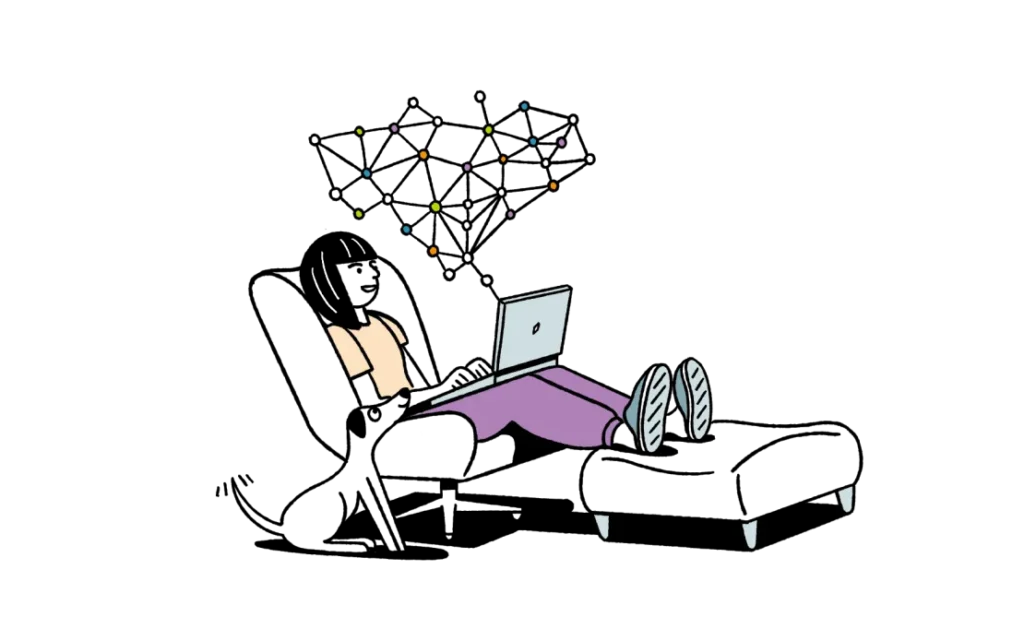
An unplugged educational activity in which students train a simulated AI-based recruitment filter using training data, identify patterns, apply these patterns to new applications, evaluate the resulting decisions and critically discuss whether the criteria used by the AI are appropriate.
▤ classroom exercise◷ 45–60 min◎ German
View resource →
Information, Media & Power
Youth Participation & Democracy
Youth Safeguarding
★★★★★
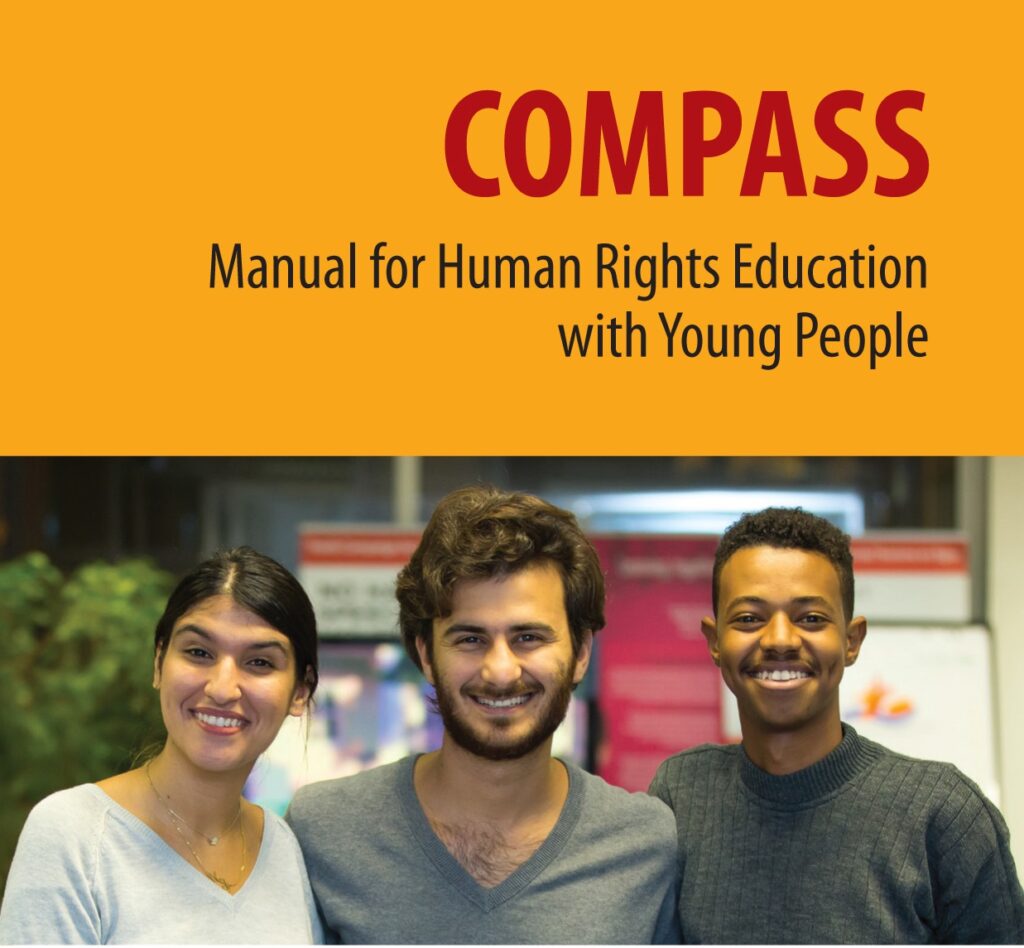
A Council of Europe practical manual for human rights education with young people, providing 58 experiential activities, educational methods, background information and guidance for developing democratic citizenship, participation and a culture of human rights. It can be used in both formal and non-formal education.
▤ educational activities◷ 15-90 min◎ English
View resource →
Information, Media & Power
Youth Safeguarding
★★★★★
A MOOC for educators focusing on online safety and the risks children and young people may face in digital environments, including cyberbullying, mental health and well-being, persuasive and addictive design, and online consumer protection. It also introduces the Better Internet for Kids strategy, the Insafe network and resources for teaching online safety.
▤ MOOC◷ Multi-session◎ English
View resource →

AI Literacy & Critical Thinking
Information, Media & Power
Youth Participation & Democracy
★★★★★
A global research report analysing internet freedom in 72 countries, with a focus on censorship, online information manipulation, surveillance, digital repression, freedom of expression, privacy, artificial intelligence and the future of online civic participation. The report includes country assessments, global rankings, methodology and policy recommendations.
▤ country assessment◷ 5-120 minutes◎ English
View resource →

AI Literacy & Critical Thinking
Information, Media & Power
★★★★★
A worksheet with four tasks in which students review key AI terms, judge statements as true or false, and distinguish real AI applications from ones that don’t yet exist. They then research a specific example and create a profile sheet to present to classmates.
▤ classroom activity◷ 15–45 min◎ German
View resource →
AI Literacy & Critical Thinking
Information, Media & Power
★★★★★
A worksheet for students that presents a fictional 2062 newspaper article describing the functions of intelligent household robots and asks learners to evaluate them. The goal is to help students critically reflect on the use of such robots from an ethical perspective.
▤ Educational exercise◷ 15–45 min◎ German
View resource →

AI Literacy & Critical Thinking
Information, Media & Power
Youth Participation & Democracy
Youth Safeguarding
★★★★★
A UNICEF policy brief examining the child-rights risks and harms associated with AI chatbots and AI companions, including emotional reliance, misleading advice, manipulation, privacy, safety, age assurance and inadequate safeguards.
▤ policy brief◷ 45–90 min◎ English
View resource →
Information, Media & Power
Youth Participation & Democracy
Youth Safeguarding
★★★★
Better Internet for Kids (BIK) is an EU-level online platform providing information, educational resources, guidance and learning materials that help children and young people navigate the digital world safely and responsibly. It also supports parents, caregivers, teachers and educators with resources on digital citizenship, online safety, media literacy, misinformation, privacy and artificial intelligence.
▤ Online platform◷ self-paced◎ English
View resource →

AI Literacy & Critical Thinking
Information, Media & Power
Youth Safeguarding
★★★★
A collection of free educational and informational resources from Ora de Net / Salvați Copiii România that supports children and young people in developing safe, responsible and balanced digital habits. The resources cover online safety, social media, digital wellbeing, online risks, communication and relationships.
▤ activities◷ 30-90 minutes◎ Romanian
View resource →
AI Literacy & Critical Thinking
Information, Media & Power
★★★★
The detailed description on p. 57 expands the above method with concrete instructions and materials, emphasizing student participation and critical discussion of AI’s limits and possible misuse. A two-lesson (2×50 minutes, expandable to a project half-day) unit for 14–19 year-olds that uses self-reflection, group work, and discussion to explore how democracy might evolve by 2040. […]
▤ classroom methodology collection◷ 5-120 minutes◎ German
View resource →
AI Literacy & Critical Thinking
Information, Media & Power
Youth Participation & Democracy
Youth Safeguarding
★★★★★
Workshop explaining how AI can reproduce discrimination through biased data, model design, and existing social structures. It treats discrimination as both technical and political, and provides materials for educators to help participants detect, understand, and counter algorithmic bias.
▤ activity plan◷ 4-8 hours◎ German
View resource →